Black Friday Returns on Amazon: 6 Reasons They Rise
Black Friday and Cyber Monday 2026 are over. In Europe, return volume rises 44.5% in peak season, and that peak starts now.
The dashboard looks great. The returns report hasn't caught up yet.
Amazon's Extended Holiday Returns policy lets customers return most items bought between 1 November and 25 December until 31 January. Every order you shipped over Black Friday weekend can still come back, two months later.
So, will the customer return it?
And if they do, is the return a cost of doing business, or money walking out of your account?
Quick Answer: Yes, Black Friday raises Amazon returns, and the return wave lands in January and February.
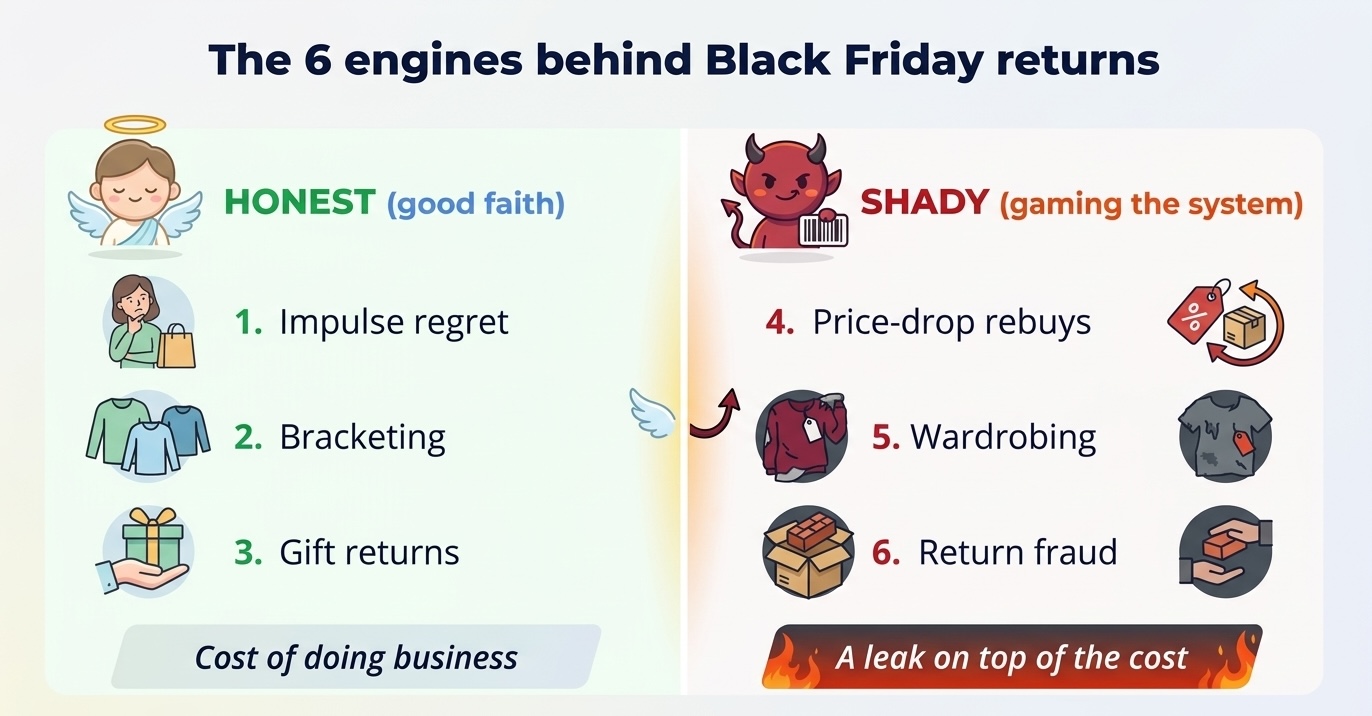
Six engines drive it. 3 are honest, 3 are shady:
- Honest: impulse regret, bracketing, gift returns.
- Shady: price-drop rebuys, wardrobing, return fraud.
Two forces move at the same time. Black Friday multiplies your orders. And a large European study shows that a product bought at a discount comes back less often.
But a slightly lower return rate on many more orders still means more returns: in Europe, return volume rises by 44.5% in peak season.
🎯 Does Black Friday Increase Your Amazon Returns?
Black Friday raises returns for most sellers, but two things move at the same time:
- Volume: Black Friday can easily 3X the units you sell.
- Return rate: two forces pull it in opposite directions.
1) The FOMO effect: return rate UP.
FOMO means fear of missing out. A countdown on the deal page. "Only 3 left." A price that will be gone at midnight.
The buyer is afraid to miss out, so they buy first and think later. Regret follows. Return follows.
2) The deal effect: return rate DOWN.
The buyer got a deal. A product that would be returned at full price feels fine at 30% off. They keep it. No return.
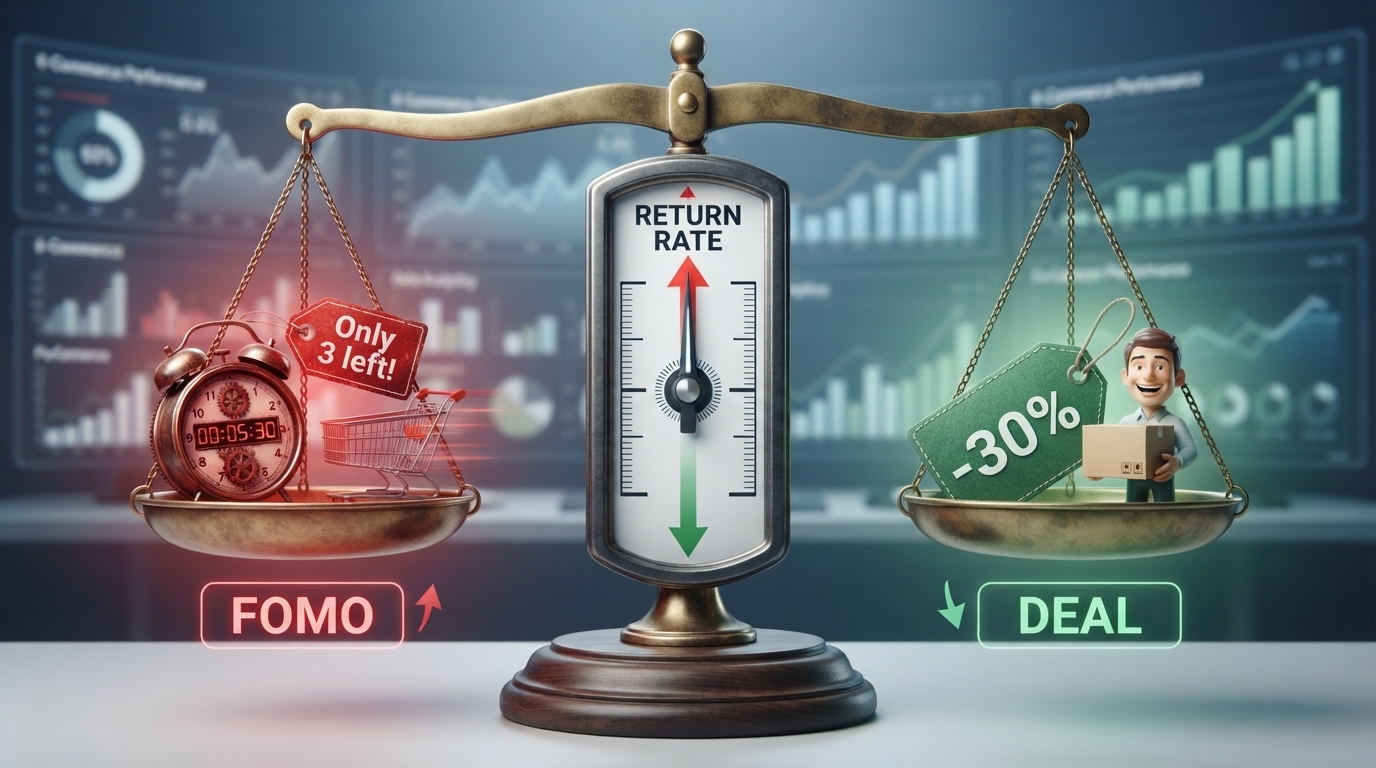
Which one wins? You only find out weeks later, when the returns arrive.
Here is what we measured on our side. On Prime Day 2025 orders, 3 Eagle Eye customers saw an average 27% increase in their return rate, compared to the weeks before.
Black Friday works the same way: a short, loud sales event with a deadline.
I wrote about that case in Prime Days Are Over. Your Returns Are Just Getting Started..
The context numbers for Europe (Returnless Return Benchmark 2025, 1,250+ webshops):
- 23.5%: the average return rate across e-commerce brands.
- +44.5%: the rise in return volume in peak season, December to February.
- January: the busiest return month of the year.
So the volume goes up. The real question is: what kind of returns are you getting?
⚪ What Are the 3 Honest Reasons Black Friday Orders Come Back?
The honest returns come from buyers who changed their mind. Impulse regret, bracketing and gift returns are the white engines.
They cost you a fee, a resale delay and sometimes a damaged unit. They are part of selling on Amazon.
1. Impulse regret
The timer on the deal page goes down. The buyer clicks before thinking.
Three days later, the box arrives and the excitement is gone. The product is fine. The need never existed.
This is the FOMO effect at work. The buyer never planned the purchase, so sending it back is easy.
2. Bracketing
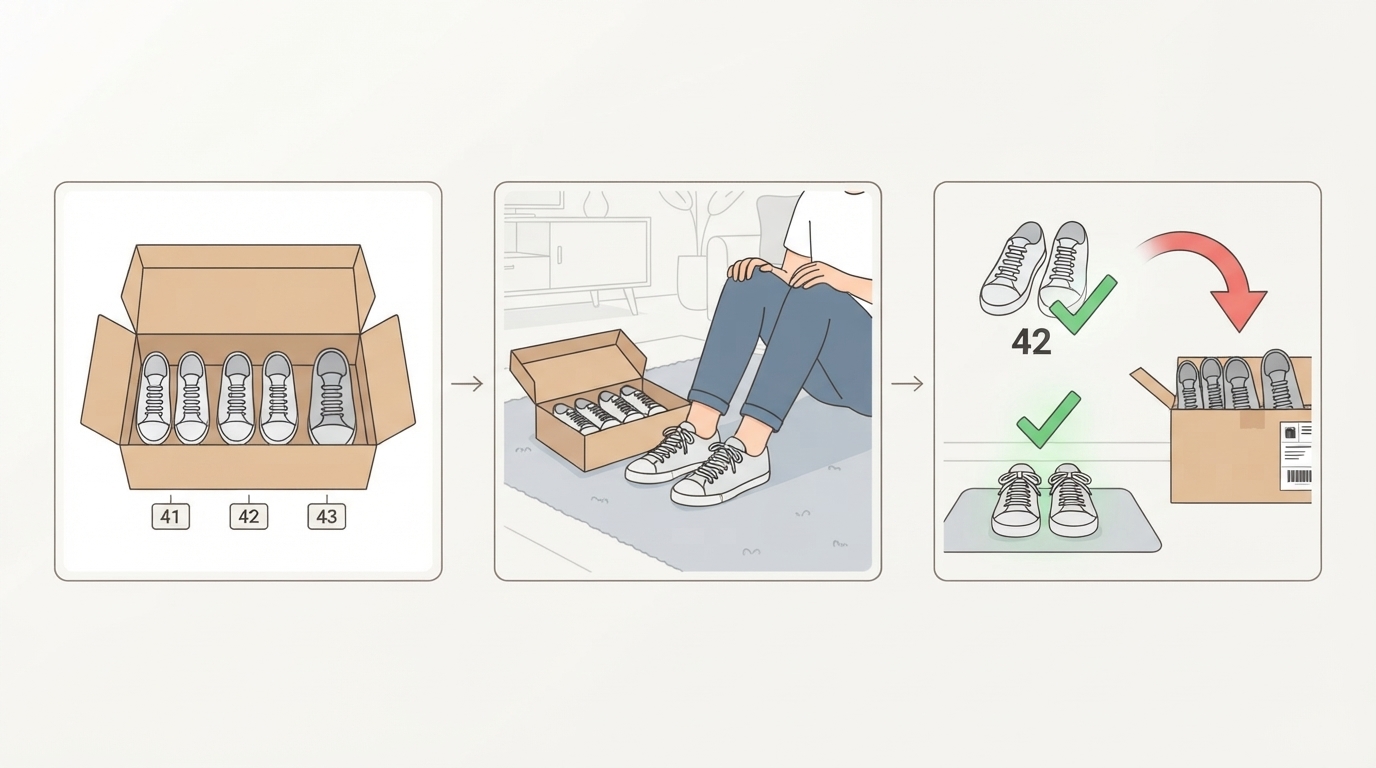
Bracketing means ordering the same product in 2 or 3 versions or sizes, keeping one and returning the rest. It is the fitting room, moved online: try them all at home, keep the one that fits.
Two sizes of the same shoe. Three colours of the same jacket. The return is planned before the order is even placed.
In the UK, 62% of shoppers admit to bracketing when they buy fashion online. And 14% say they do it more around holidays and special events (fulfilmentcrowd, 2025).
We see it clearly in the accounts of sellers who sell shoes. Same customer, several sizes ordered at the same time. A few days later, the returns arrive with the reason "too small".
Have you ever seen this pattern in your own returns?
3. Gift returns
Black Friday is also the start of Christmas shopping. Many orders are gifts.
The buyer is not the user. The size is a guess, the colour is a guess, and the person receiving it may already own one.
These returns arrive late, often in January, because the extended window allows it.
All 3 white engines share one thing: the buyer acts in good faith. That is about intent, not about the product. An honest return can still come back damaged, opened or incomplete.
The next three are different: here the intent itself is the problem.
⚫ What Are the 3 Shady Reasons Black Friday Orders Come Back?
Price-drop rebuys, wardrobing and return fraud are the black engines. These returns game the system.
Here, the money you lose is more than a fee. It is a unit you will not sell again, or a refund for a product you never got back.
4. Price-drop rebuys
A customer buys your product at full price in early November.
On Black Friday, they see it 30% cheaper. They return the first unit, often after using it for a few weeks, and buy again at the deal price. From you, from another seller, or a very similar product.
If they buy again from you, you pay for a return and a discount to sell one unit.
If they buy elsewhere, you pay for the return and lose the sale. Either way, the unit that comes back may not be new anymore.
This is measured. A study of 84 million purchases at a major European online retailer found that when the price drops by more than 25% after purchase, returns rise sharply (Journal of Retailing, 2025).
5. Wardrobing
Wardrobing means buying a product to use it for a short period, then returning it as if it were new.
The dress for the Christmas party. The power tool for one weekend job. The camera for the holiday trip.
In the UK, 32% of shoppers admit they have done it. Among under-34s, it is 43% (Harris Poll UK, 2026).
With a return window open until 31 January, the peak season gives wardrobing plenty of time.
6. Return fraud
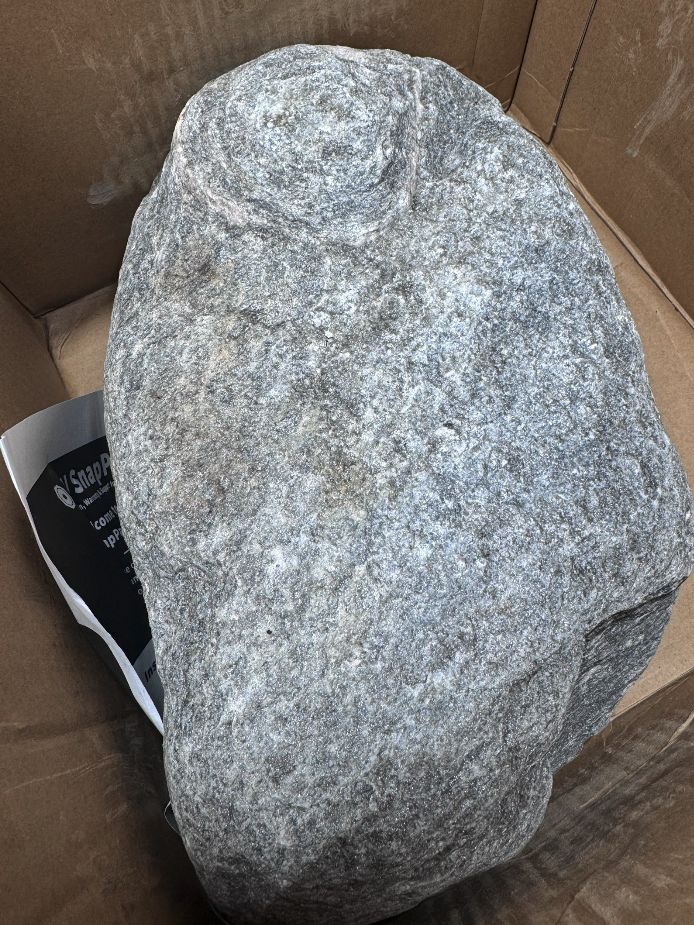
Return fraud is the darkest engine: the customer sends back something different from what they received.
The patterns we see most often in our customers' returns:
- Old for new: the customer keeps the new unit and returns their old, used one in its place.
- Missing parts: a printer comes back with the ink cartridges removed. A set of 5 units comes back with just 2 units inside.
- Swapped devices: electronics such as mobile phones are a common target.
How big is it? Studies vary. One European survey puts it at more than €10 lost for every €100 returned (RetailDetail EU, 2025).
And one detail matters for Black Friday. A 2026 analysis of one million UK returns found that the longer a customer holds a product before returning it, the higher the risk of fraud or abuse (ReBound, 2026).
A window that stays open until 31 January is exactly that: a long hold.
🔄 Can a Discount Actually Reduce Return Rates?
Yes. The same European study found that a discount at the moment of purchase lowers the return rate. The bigger the discount, the lower the returns.
In other words, the deal itself makes buyers keep what they bought.
So both sides are right, about different buyers:
- The customer who bought on the deal is more likely to keep it.
- The customer who bought before the deal and saw the price fall is more likely to send it back.
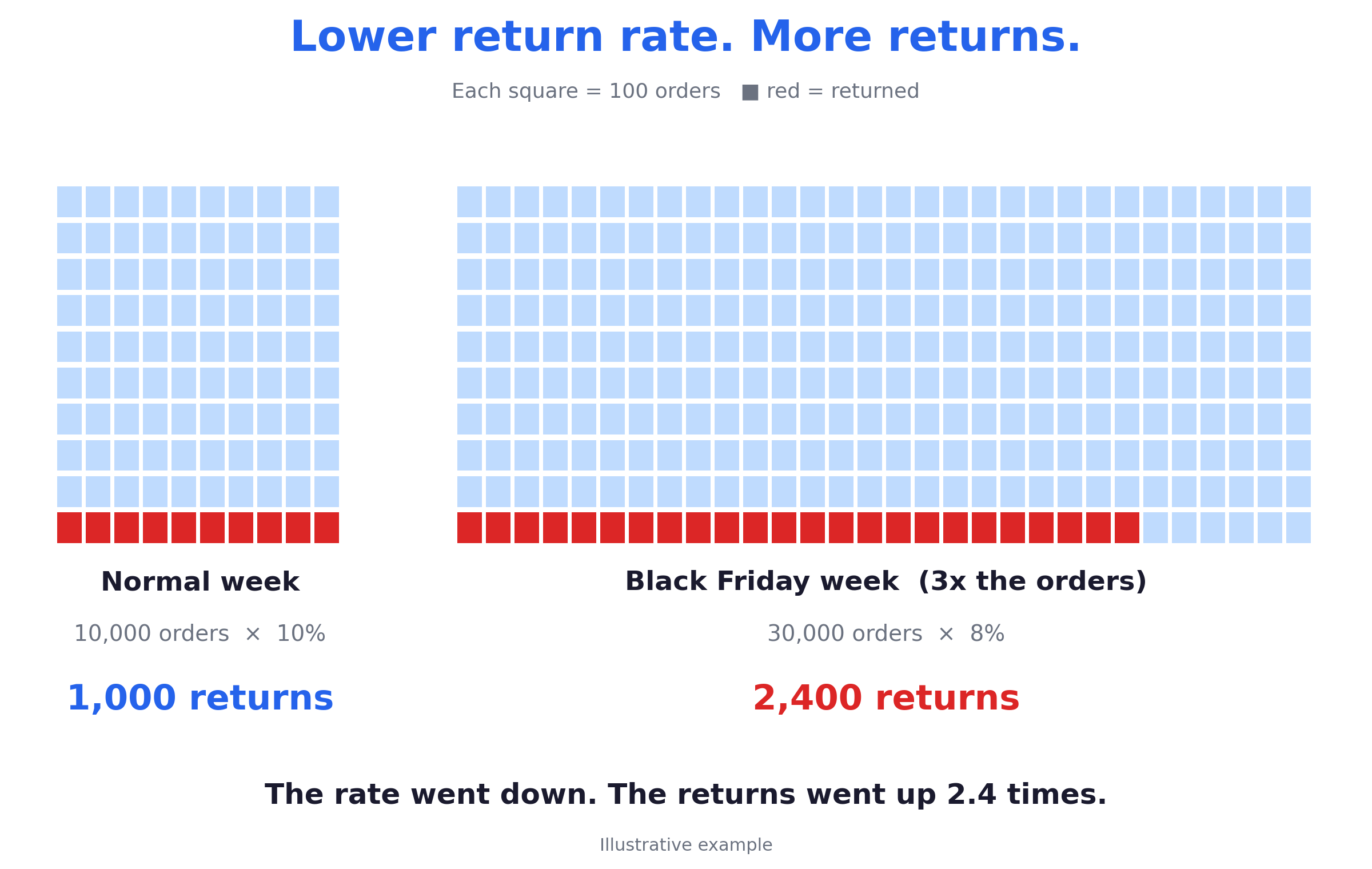
But a lower return rate does not mean fewer returns.
Let me explain.
Black Friday multiplies the orders. Take a simple example.
On a normal week, 10% of 10,000 orders is 1,000 returns. On Black Friday week, with 3 times the orders, 8% of 30,000 is 2,400 returns.
The return rate went down. The returns count went up 2.4 times.
Add bracketing, gifts and the long return window, and every seller gets a different mix.
Your own returns decide which effect wins in your account. The only way to know is to follow each return until the end.
"Not everything that can be counted counts, and not everything that counts can be counted." – William Bruce Cameron
🧭 Where Does a Black Friday Return Go After the Refund?
A return is a journey with four stops. Each stop is a place where money can leak.
- Refund: Amazon refunds the customer, often before the item ships back.
- Back to Amazon: the item should reach a fulfillment center. Sometimes it never does.
- Graded: Amazon decides if the unit is sellable or unsellable, and puts it back in stock or holds it.
- Back to you: unsellable units come back to your warehouse through a removal order.
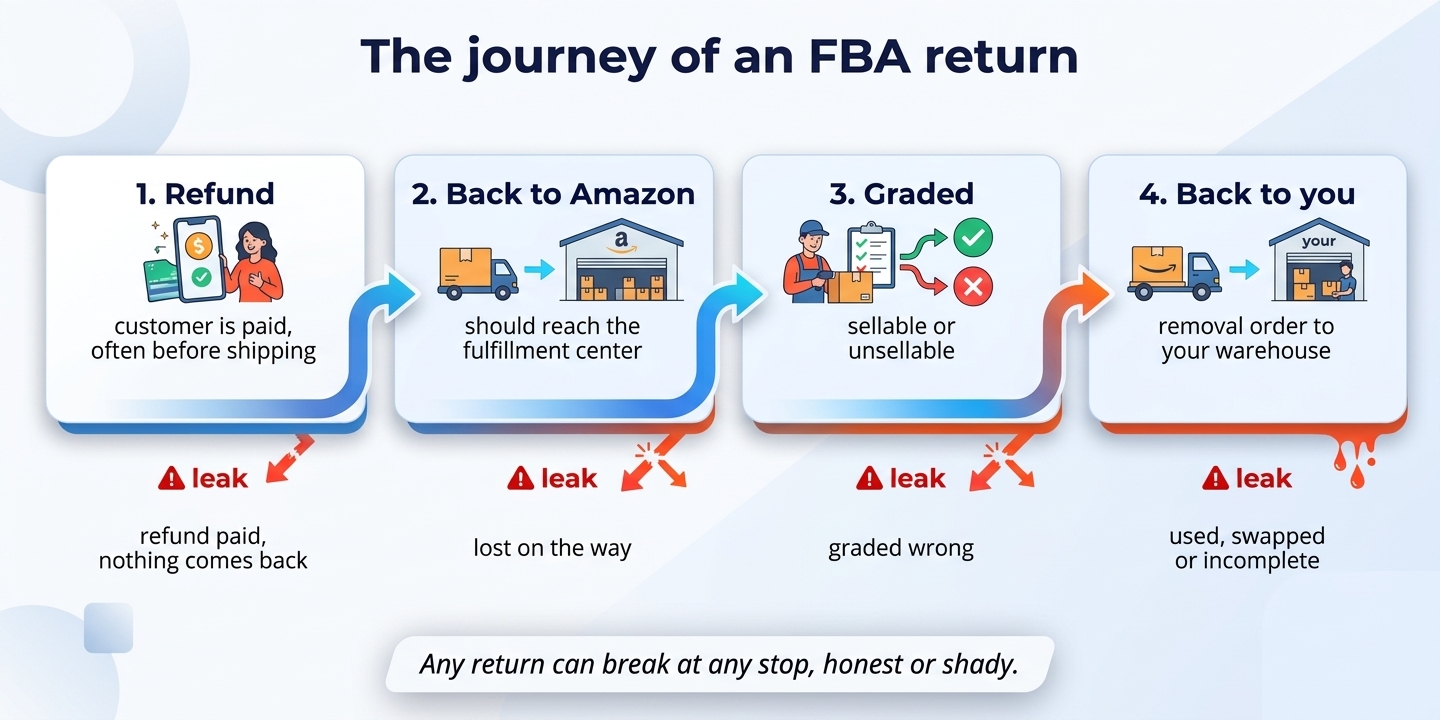
Any return can break at any stop, white or black.
An honest return can get lost on the way to Amazon, be graded wrong, or arrive damaged. A shady return adds a second risk: what comes back is used, swapped or incomplete, and the refund is already paid.
Each broken step can be a reimbursement claim. But only if someone sees it, and has the evidence.
That is why returns, removals and reimbursements work as one process. I explained how in Why FBA Returns, Removals, and Reimbursements Are One.
And for the last stop, the choice between getting units back and disposing of them is in FBA Removal Fees in Europe: Return or Dispose?.
With 44.5% more volume and a window open until 31 January, you will not catch every broken step by hand.
You need a system.
We built one.
The Eagle Eye Return Scanner is made for FBA returns. When the boxes reach your warehouse, your team scans each unit and photographs what really came back. Every used, swapped or incomplete unit becomes a claim with evidence.
👉 See how the Eagle Eye Return Scanner works
Want to talk about your Black Friday returns first? Leave your number and I will call you back.